
Building Self Care Practices That Sustain Our Organizing Work
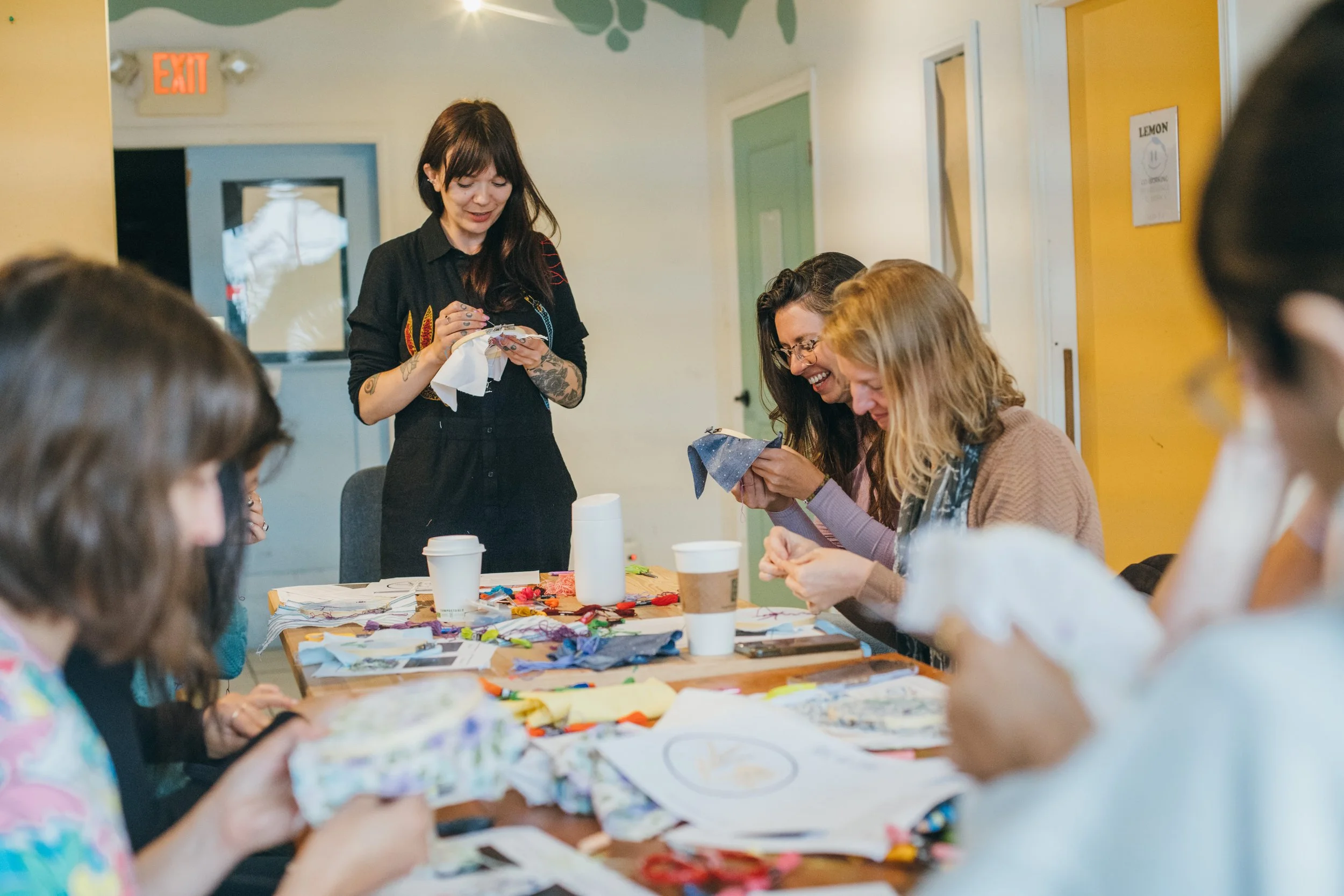
Our body sends us signals all the time that tell us what we need. Slow down. Drink more water. Go to bed earlier. All too often, we ignore those signals. But the more we ignore those signs, the harder it is to recover. Burnout can creep in slowly, disguised as dedication or commitment, or seemingly justified by the importance of our work. We tell ourselves that rest can wait, that we’ll take a pause as soon as the work slows down.
It’s taken me (Monique) many years to understand that taking care of myself means supporting the longevity and sustainability of the very movements we’re fighting so hard for. The systems we're working to dismantle were built on exploitation and the idea that perfectionism is the ultimate goal. As community organizers, we must radically reject these notions and learn how to prioritize self care and community care.
Reclaiming Self Care
Self care is all too often associated with the billion dollar wellness industry and the idea that we have to consume products or experiences in order to participate. Self care that actually sustains us as organizers doesn't require payment. There isn’t one way to practice self care, because different activities feed each of us in different ways. Whether it’s splashing some water on your face, or dancing around your house, there are so many (free) ways we can practice taking time for ourselves.
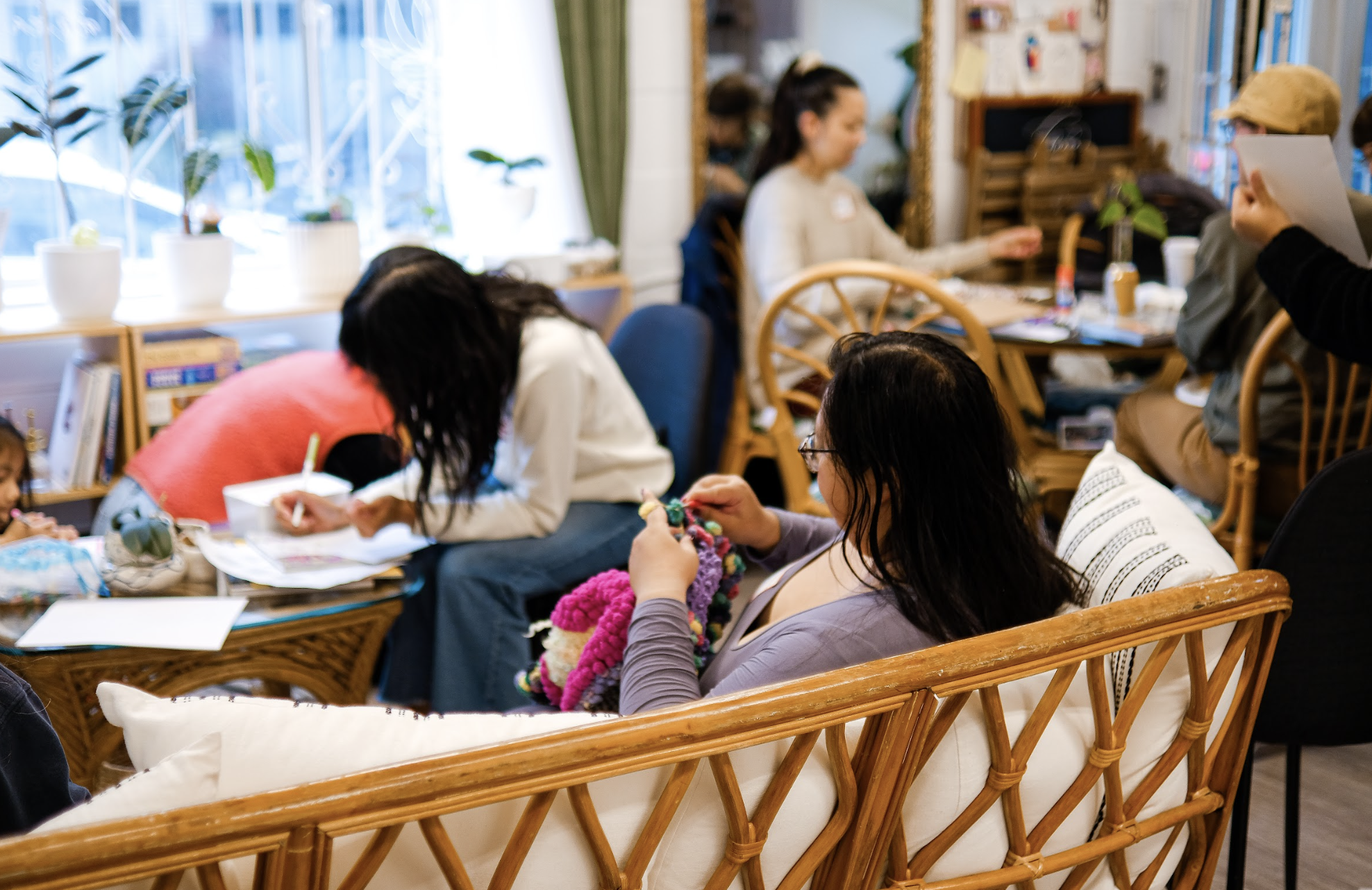
Self care is the practice of tending to our emotional, physical, mental, and spiritual selves, while community care acknowledges that we don't sustain ourselves in isolation. It's the networks of mutual support we build and the ways we show up for each other. Community care means recognizing that your burnout affects all of us, and my well-being contributes to our collective capacity.
Structural care names the truth that individual and community practices, while necessary, aren't sufficient if we're operating within systems designed to deplete us. It's organizing for things like reasonable meeting times, shared leadership, accessible spaces, and resources that allow people to participate without sacrificing needs. It's building organizations and movements that practice what we preach about dignity and care.
A sustainable self care practice isn't about perfection or checking boxes. It's about developing awareness of what you need and building rituals that help you access those needs. It’s considering how rest, boundary work, creativity, joy, and self-awareness show up in your day-to-day.
Systems of oppression reinforce the idea that we always need to be doing. Capitalism tells us that productivity is key. If we decolonize our practice of self care, we recognize that rest can be a radical act of resistance, just like committing to a firm no. Spending time creating something with our hands or observing how our body reacts as we breathe in and out are simple ways we can begin to form habits that sustain us.
An Invitation to Practice
We're offering two workshops for organizers ready to build practices that actually sustain them:
Preventing Burnout: self care for Sustainability creates space to explore what sustainable self care means in your life and work. We'll move through breathing exercises, journaling prompts, and heart-opening stretches while investigating the pillars of sustainable care. This is a collective exploration of self-soothing, self care, community care, and structural care. We'll build in breaks, energizers, and most importantly, time to learn from each other's practices and envision what we can offer one another.
Embodying Consent: Before the Body Says 'No' develops the micro-level practice of listening to your body's wisdom. When movements and communities ask so much of us, learning to hear and honour our body's "no" becomes essential. Through exploring consent models, building awareness of somatic responses, and developing emotional attunement, you'll learn to distinguish between a true "yes" and a coerced one, protecting yourself from burnout while strengthening trust in your relationships.
The systems we're up against want us exhausted, depleted, and disconnected. Our self care and community care practices are a huge part of our resistance and sustainability.
We need one another, healthy, for the long haul.
Ready to build practices that prevent burnout and sustain your organizing work?
Reach out to monique@womentransformingcities.org to explore our workshop offerings.
